


Sunlight supports daily life, but ultraviolet (UV) radiation can gradually affect the eyes and the delicate skin around them. For residents of Alhambra, CA, regular exposure may occur during walking, driving, outdoor exercise, school activities, gardening, errands, or time spent in bright courtyards and patios.
The right protection is simple: use sunglasses that block 99% to 100% of UVA and UVB radiation, add a brimmed hat when practical, and pay attention to the UV Index rather than relying only on temperature or cloud cover. ([nei.nih.gov](https://www.nei.nih.gov/research-and-training/research-news/protecting-your-eyes-suns-uv-light?utm_source=openai))
What part of sunlight can harm the eyes?
The main concern is ultraviolet radiation, which is invisible and different from the visible light that allows people to see. UVA and UVB can reach the eyes and surrounding tissues, while most UVC from the sun is filtered by the atmosphere. UV exposure can affect the cornea, conjunctiva, lens, eyelids, and possibly deeper eye structures over time. ([nei.nih.gov](https://www.nei.nih.gov/research-and-training/research-news/protecting-your-eyes-suns-uv-light?utm_source=openai))
Bright visible light also creates problems, even when UV exposure is limited. Glare from pavement, vehicle windshields, windows, and other light-colored surfaces can cause squinting, eye fatigue, headaches, and difficulty seeing clearly. These symptoms are usually related to brightness or glare rather than permanent damage, but they can make driving and outdoor activities less comfortable and less safe.
Can sunlight cause long-term eye problems?
Repeated UV exposure is associated with several eye conditions, although sunlight is not the only cause of each one.
Cataracts occur when the normally clear lens becomes cloudy. UV radiation can contribute to changes in lens proteins and is recognized as one possible risk factor for cataract development. Symptoms may include hazy vision, glare around lights, faded colors, and difficulty seeing in bright or low-light conditions. ([nei.nih.gov](https://www.nei.nih.gov/eye-health-information/eye-conditions-and-diseases/cataracts/types-cataract?utm_source=openai))
Pinguecula is a yellowish or raised area on the white part of the eye. It may cause irritation, dryness, or the sensation that something is in the eye.
Pterygium is a wedge-shaped growth that can extend from the white part of the eye toward the cornea. Long-term exposure to UV, wind, and dust may contribute to its development. In some cases, a larger growth can interfere with comfort or vision. ([nei.nih.gov](https://www.nei.nih.gov/research-and-training/research-news/protecting-your-eyes-suns-uv-light?utm_source=openai))
The National Eye Institute also notes that prolonged UV exposure may be associated with age-related macular degeneration, a condition affecting central vision. The relationship is complex, and factors such as age, genetics, smoking, and overall health also matter. UV protection is one reasonable part of a broader approach to preserving eye health. ([nei.nih.gov](https://www.nei.nih.gov/research-and-training/research-news/protecting-your-eyes-suns-uv-light?utm_source=openai))
What is “sunburned eye,” and how does it happen?
Photokeratitis is a temporary but painful injury to the cornea caused by intense UV exposure. It is sometimes described as a sunburn of the eye. Symptoms can appear several hours after exposure and may include:
- Significant eye pain or burning
- Redness and tearing
- Strong sensitivity to light
- Blurred vision
- A gritty or sandy feeling
- Eyelid spasms or difficulty keeping the eyes open
Although ordinary outdoor exposure can cause photokeratitis, higher-risk situations include looking toward intense sunlight, using tanning equipment, welding without proper protection, or being around artificial UV lamps. Repeated episodes can contribute to longer-term eye damage. ([eyewiki.aao.org](https://eyewiki.aao.org/Photokeratitis?utm_source=openai))
Sudden pain, vision changes, or severe light sensitivity after UV exposure should not be dismissed as ordinary irritation. Prompt medical evaluation is appropriate, particularly if symptoms are intense, affect one eye more than the other, or do not begin improving.
Do sunglasses need to be dark to protect the eyes?
No. Lens darkness and UV protection are separate features. A very dark lens without adequate UV filtering may reduce visible brightness while still allowing harmful UV radiation to reach the eyes. Look for labeling that indicates 99% to 100% UVA and UVB protection or 100% UV protection. ([epa.gov](https://www.epa.gov/radtown/ultraviolet-uv-radiation-and-sun-exposure?utm_source=openai))
Useful features depend on the situation:
- Close-fitting frames help reduce UV entering from the sides.
- Wraparound designs can be useful near reflective surfaces or in windy conditions.
- Polarized lenses reduce glare from roads and other horizontal surfaces, but polarization alone does not guarantee UV protection.
- Prescription sunglasses can provide vision correction and sun protection at the same time.
- A wide-brimmed hat adds shade above the eyes and can reduce direct light and glare.
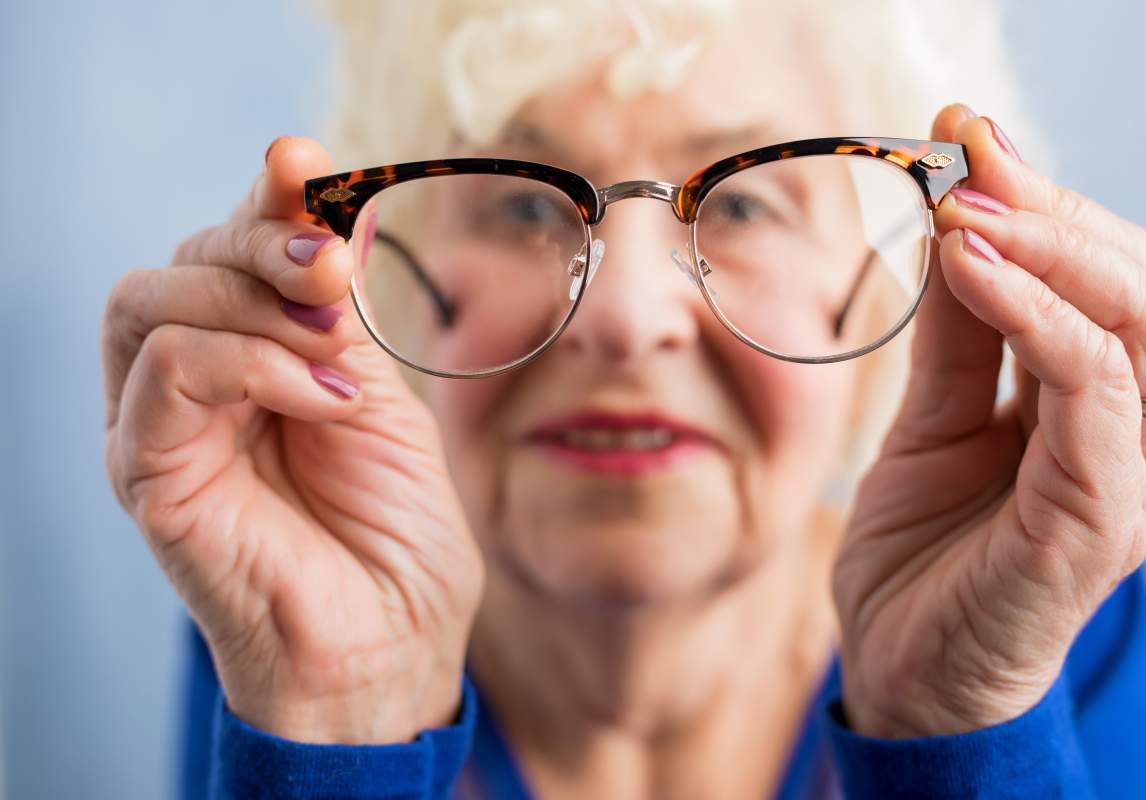
Sunglasses should be comfortable enough to wear consistently. Scratched lenses, loose frames, or a poor fit may reduce practical protection because people are less likely to use them.
Should children wear sunglasses outdoors?
Children’s eyes also need protection from UV radiation. Sunglasses can be helpful, but some children will remove them or may not tolerate them during play. A hat with a brim can provide an additional layer of protection, especially for younger children. ([nei.nih.gov](https://www.nei.nih.gov/research-and-training/research-news/protecting-your-eyes-suns-uv-light?utm_source=openai))
Adults should avoid encouraging children to look directly at the sun, even briefly. Special caution is needed during solar eclipses: ordinary sunglasses do not protect the eyes from direct viewing of the sun. Eclipse viewing requires purpose-built solar viewers that meet appropriate safety standards.
Is sunlight dangerous on cloudy days or through windows?
Cloud cover does not eliminate UV exposure. The UV Index can remain moderate or high when the sky looks overcast, so outdoor protection should be based on the forecasted UV level rather than visible brightness alone. ([nei.nih.gov](https://www.nei.nih.gov/research-and-training/research-news/protecting-your-eyes-suns-uv-light?utm_source=openai))
Regular household windows block much of the sun’s UVB, but the amount of UVA that passes through varies by the type of glass and any window treatment. This is relevant for people who spend many hours beside sunny windows or in vehicles. Sunglasses are most useful outdoors and while driving, where glare and side exposure can be substantial.
How can local residents reduce daily UV exposure?
A practical routine is to check the UV Index before extended outdoor activities. The EPA uses a scale from 1 to 11 or higher. Protection becomes more important as the index rises, especially around the middle of the day when the sun is strongest. ([epa.gov](https://www.epa.gov/sunsafety/uv-index-scale-0?utm_source=openai))
For everyday activities in the community:
- Keep sunglasses in a commonly used bag, vehicle, or entryway so they are available before going outside.
- Use a hat during walks, outdoor sports, gardening, and waiting in bright open areas.
- Take breaks in shaded areas during longer outdoor activities.
- Use extra care around reflective surfaces, including light-colored pavement, glass, and water.
- Do not rely on a cool breeze or mild temperature as a sign that UV exposure is low.
- Protect the skin around the eyes with shade and sunscreen applied carefully according to product directions, avoiding direct contact with the eyes.
Sunlight does not need to be avoided completely. The goal is to reduce unnecessary UV exposure while maintaining normal outdoor activities and responding appropriately to symptoms such as persistent redness, pain, light sensitivity, or changes in vision.