

What Happens During a Typical Eye Exam?
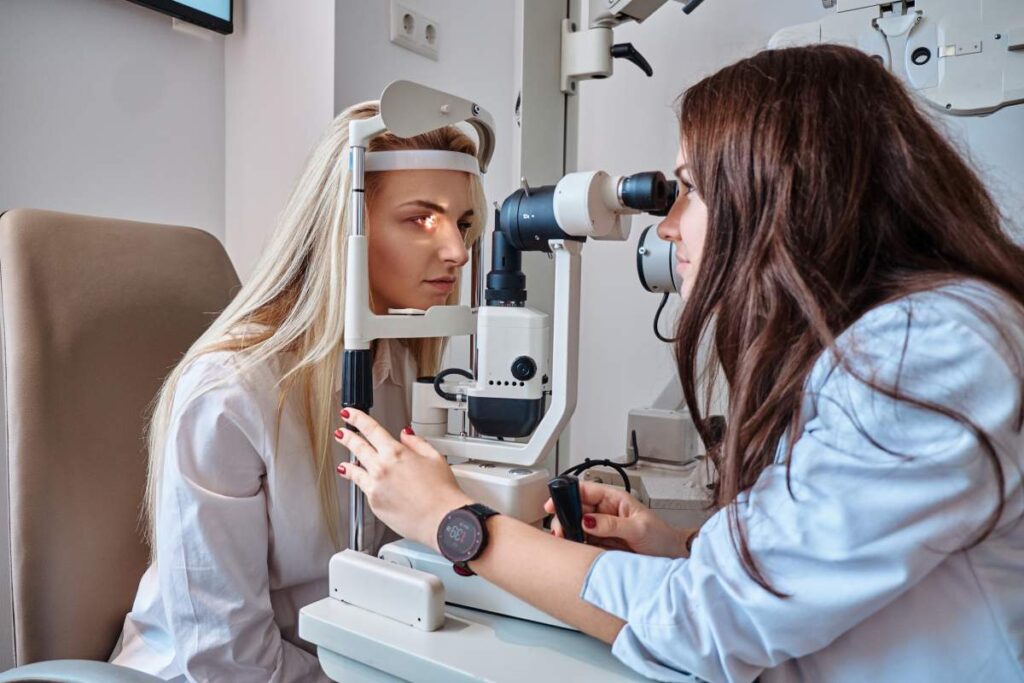
A standard eye exam for residents of Alhambra, CA usually involves a series of checks designed to evaluate both vision and eye health. Most exams are straightforward, comfortable, and adaptable for all ages.
You’ll start with some basic medical history and symptom questions. The optometrist or technician will ask about any vision changes, general health issues (like diabetes or high blood pressure), medications, and family eye health. Sharing accurate details ensures your needs and risks are understood.
Visual acuity is then measured—this is where you read letters or symbols off a chart, which helps determine if corrective lenses are needed. This test doesn’t just check for nearsightedness or farsightedness; it can also flag significant changes since your last exam.
Will Dilation or Special Drops Be Required?
Many wonder whether their eyes will need to be dilated. Dilation is a common but not universal part of an exam. The optometrist places a few drops in each eye, temporarily widening the pupil. This process provides a better view of the retina and internal structures. While not everyone needs it every visit, dilation is more often recommended for older adults, those with certain health conditions, or anyone who reports symptoms that might involve the retina.
If you have outdoor errands to run afterward, know that dilated pupils can make you more sensitive to sunshine and blurry up-close vision for several hours. Sunglasses help, but consider arranging transportation if you’re concerned about comfort.
What Vision Tests Are Performed?
Eye exams in Alhambra often include several parts beyond the simple vision chart:
- Refraction assessment: Identifies the precise prescription for glasses or contacts.
- Ocular muscle test: Examines how well your eyes work together, moving in tandem and focusing.
- Peripheral vision check: Sometimes done with specialized equipment, this test can catch early signs of conditions like glaucoma or neurological issues.
- Depth perception and color vision screening: Especially important for children or anyone whose work or education depends on these visual abilities.
Each test is painless, and instructions are clear, so you’ll know what to expect at every moment.
How Is Eye Pressure Measured?
Measuring the pressure inside the eye—a screening for glaucoma—is a standard part of most adult exams. There are several ways to do this, but the most common are:
- “Puff of air” test: You’ll feel a short, gentle puff against your eye—surprising but not painful.
- Tonometry with drops: Less common, but sometimes used for clearer readings, especially in older adults or those at higher risk.
This step is quick and involves little or no discomfort, often catching issues before you notice symptoms.
What Health Problems Can an Eye Exam Reveal?
Eye health is closely linked to overall wellbeing. In Alhambra, optometrists are trained to use exams not just to check your vision, but also to spot signs of broader health conditions, such as:
- High blood pressure (visible as changes in blood vessel appearance)
- Diabetes (early damage to retinal tissue)
- Autoimmune or inflammatory diseases
- Certain neurological problems
Many of these issues may not yet affect your day-to-day vision. That’s why exams are valuable even when you feel your sight is unchanged.
Are Children’s Eye Exams Any Different?
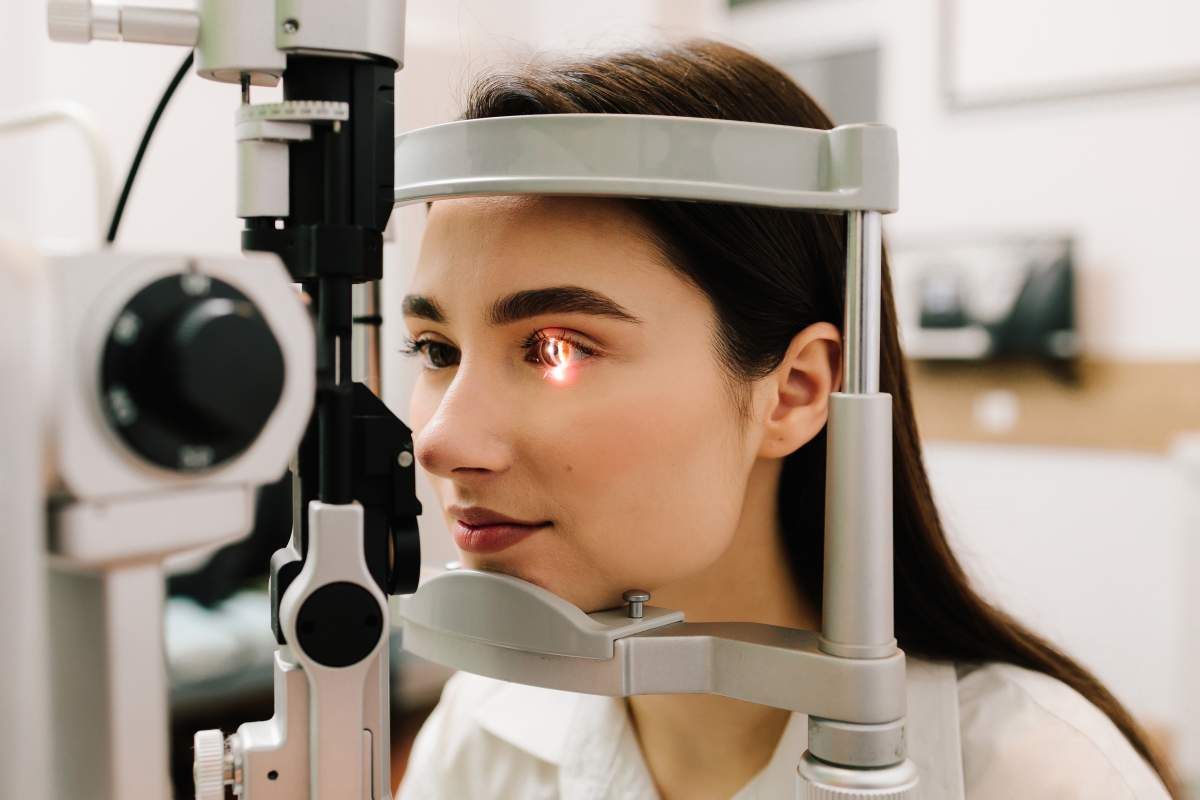
Children’s eye exams are tailored to their age and ability to communicate. For younger children, charts might use shapes or pictures instead of letters. Games or interactive visuals can make the experience less intimidating.
Routine pediatric eye checks help local families catch conditions like lazy eye, crossed eyes, or undetected refractive errors that can impact classroom learning or sports.
If your child is anxious, staff are generally prepared to offer reassurance and make the process comfortable. Bringing a favorite toy or snack can also help keep kids relaxed in the office.
How Often Should Eye Exams Be Scheduled?
How frequently someone in the Alhambra community should get an eye exam depends on age, risk factors, and any existing vision issues.
- Children: Before starting school, then every 1–2 years.
- Adults (18–60): Every 1–2 years if healthy, or as advised if there are ongoing eye or health concerns.
- Adults 61 and older: Annually, since age-related issues can develop more quickly.
Local environmental and lifestyle factors—such as significant screen time, high pollen during certain seasons, or common outdoor hobbies—may mean residents find annual exams especially useful.
What Should Residents Bring to Their Appointment?
Preparation can make an eye exam smoother:
- Current eyeglasses or contact lenses
- A list of medications and known allergies
- Sunglasses (helpful after dilation)
- Details of vision or eye symptoms noticed recently
- Insurance or identification documents if plans cover exams
For young children or elderly family members, having a support person attend can also help with paperwork and communication.
What Are Common Misconceptions About Eye Exams?
Many in the community believe that clear vision means healthy eyes, but some conditions cause no symptoms until advanced. Others think only the elderly need exams—yet eye problems can develop at any age.
Another common misconception is that digital eye strain always requires new glasses; sometimes, the solution can be as simple as taking breaks or adjusting lighting.
A thorough exam provides answers specific to your eyes, age, and lifestyle rather than “one size fits all” advice.