

How Often Do Eye Exams Need to Be Scheduled?
Most adults in Alhambra, CA should have an eye checkup every one to two years, depending on age, health, and risk factors. Children and older adults often need more frequent exams. These guidelines ensure early detection of conditions that can affect daily life, driving, learning, and overall well-being in the community.
Ages matter:
- Children: Typically first exam at 6 months, again at age 3, then before starting school.
- Adults 18-64: Every two years if healthy and no symptoms; more often if risk factors exist.
- Adults 65 and older: Annually, as age-related changes may progress more quickly.
Individuals with diabetes, eye diseases, or a family history of vision problems often require more regular evaluations regardless of age.
What Factors Influence Eye Exam Frequency?
Several personal and environmental factors determine how often local residents should have eyes checked.
- Age: The risk for many eye diseases—like cataracts, glaucoma, and macular degeneration—increases with age.
- Personal Medical History: Anyone with chronic illnesses (especially diabetes or autoimmune conditions) should have annual exams.
- Family History: Relatives with glaucoma or other eye diseases increase personal risk.
- Lifestyle: Local residents who work extensively on screens, drive often, or spend time outdoors in bright sunlight may experience digital eye strain or sun-related eye problems.
- Symptoms: Blurriness, headaches, double vision, or sudden changes in sight require immediate assessment, regardless of last exam date.
Local neighborhoods with densely populated streets and high rates of sun exposure may see more individuals with myopia (nearsightedness) or cataract progression, especially as many homes and apartments feature large windows and outdoor common areas.
Do Children in Alhambra Need Eye Exams More Often?
Yes. Children benefit from routine eye health checks, and early detection can spot vision issues that interfere with learning.
The recommended guideline:
- Age 6 months: First comprehensive exam
- Around age 3: Second exam
- Before kindergarten: Full assessment, even if no symptoms are evident
Children with a family history of vision problems, premature birth, or developmental delays may need additional monitoring. School screenings are helpful but not a substitute for a full eye exam by a professional, as some issues like amblyopia (lazy eye) or subtle farsightedness can be easily missed.
What Signs Suggest an Eye Exam Is Needed Sooner?
Sudden or unexplained changes in vision should never be ignored, regardless of when the last checkup occurred. Warning signs include:
- Blurry, double, or distorted vision
- Frequent headaches or eye pain
- Sudden flashes of light or floaters
- Redness, swelling, or discharge
- Trouble with night vision, reading, or recognizing faces up close
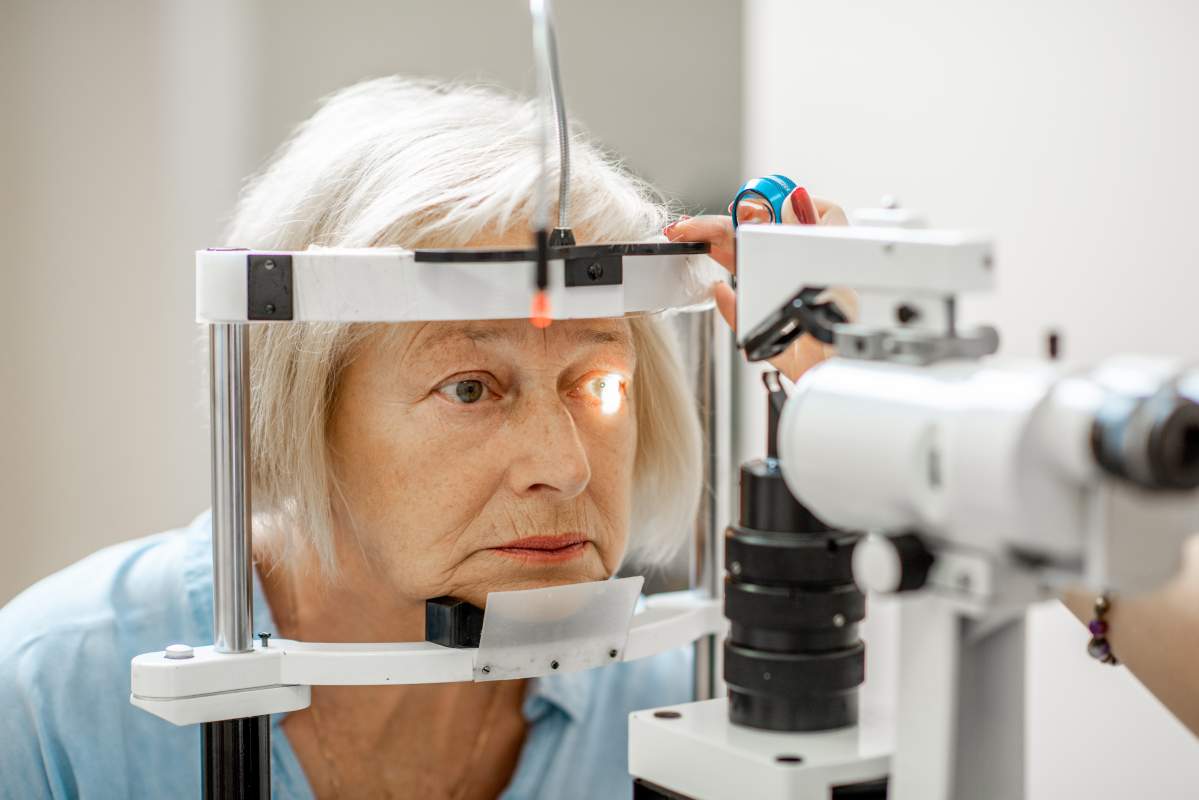
Any of these signs may indicate eye conditions requiring immediate attention.
Are Older Adults at Higher Risk for Eye Disease?
Older adults in the city often face age-related eye changes that make yearly exams especially important. Common conditions include:
- Cataracts — clouding of the eye’s lens
- Glaucoma — increased pressure causing vision loss
- Age-related macular degeneration — loss of central vision
- Dry eye — common in air-conditioned or heated homes
Annual assessments help monitor changes, adjust prescriptions, and support healthy, independent living at home and in local senior communities.
What About People with Chronic Illnesses?
Local residents with diabetes, high blood pressure, or autoimmune disorders need more frequent attention. Diabetes can affect the tiny blood vessels in the eyes, sometimes without obvious symptoms at first. Most specialists recommend annual dilated eye exams for diabetics—and sometimes even more often if changes are detected.
Those taking certain medications (like steroids or drugs for autoimmune conditions) may also be at risk for side effects that can affect vision and should follow their physician’s recommendations for exam frequency.
Can You Skip Eye Exams If You Have Good Vision?
Even if vision seems clear and there are no symptoms, eye health checks can reveal issues before they affect sight. Conditions like glaucoma often have no early warning signs. For adults under 40 with no risk factors and no symptoms, every two years is usually sufficient. After age 40, annual or biannual exams are best, as many issues start to develop around this time.
Skipping routine visits increases the risk of late detection—which sometimes means less effective treatment.
How Do Alhambra’s Local Conditions Influence Eye Health?
Sunlight exposure is notable in the area, contributing to long-term risks of cataracts and other sun-related eye changes. Residents who spend time outside, whether gardening in shared yards or participating in outdoor community events, should consider wearing UV-protective sunglasses and hats.
Digital devices are common in area households, so digital eye strain is a frequent concern. Symptoms include tired or dry eyes and headaches. Blinking more often, taking regular screen breaks, and ensuring annual check-ins can help manage these issues effectively.
Seasonal air quality or allergies can also impact eye comfort. During times of increased pollen or windy conditions, artificial tears and regularly scheduled exams help maintain comfort and catch any allergy-related changes.
How Can Residents Keep Track of Eye Exam Schedules?
Keeping a simple calendar reminder or using a health tracking app can help ensure eye exams aren’t overlooked. Major insurance plans typically cover yearly or biennial exams, but coverage varies, so checking with a plan provider can clarify options. Sticking to the recommended timeline for exams supports healthy, comfortable vision in all aspects of daily life, from work and school to outdoor recreation and driving in the city.