

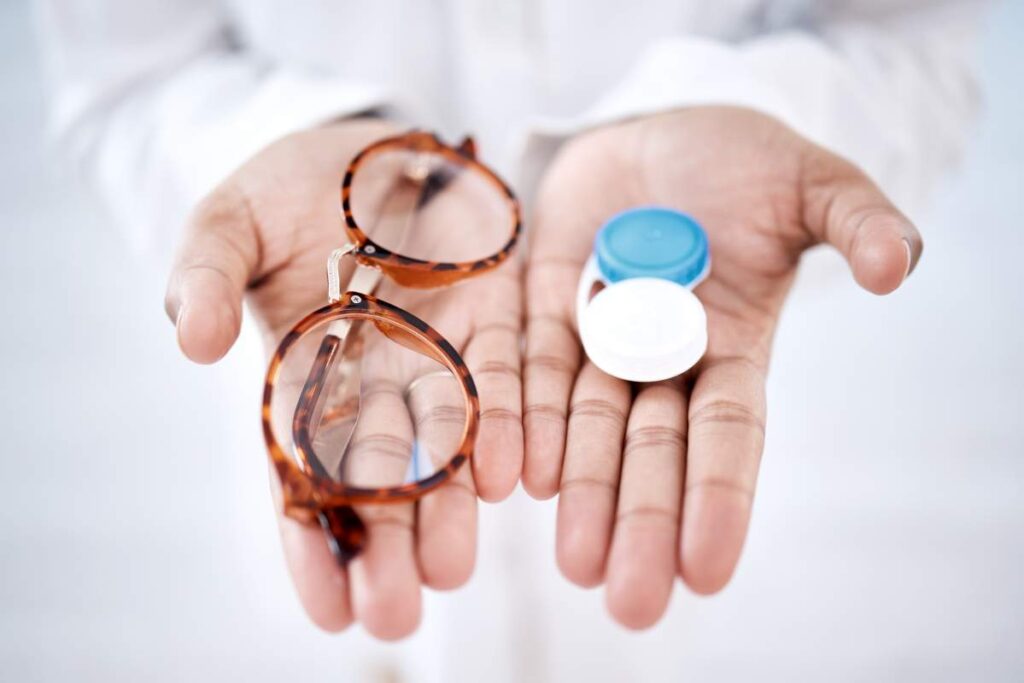
Is it safe to wear makeup with contact lenses?
Yes, many people can safely wear makeup while using contact lenses, but the order of application and removal matters. Put contact lenses in before applying makeup, and remove the lenses before taking off makeup. This helps keep cosmetic particles, oils, and makeup remover from getting onto the lens or trapped between the lens and the eye.
Contact lenses can make the eyes more sensitive to contamination and irritation. A small amount of mascara, eyeliner, glitter, or eyeshadow under a lens may cause discomfort, redness, blurred vision, or a scratch on the cornea. In more serious cases, contaminated lenses or poor hygiene can contribute to keratitis, an infection or inflammation of the cornea.
What is the safest order for applying makeup?
A simple routine reduces the chance of transferring makeup onto the lenses:
- Wash and dry hands thoroughly.
- Insert contact lenses.
- Apply facial moisturizer, sunscreen, and makeup.
- Use eye cosmetics carefully, keeping products away from the inner edge of the eyelids.
- Remove contact lenses before washing off makeup.
- Clean the face and eye area without allowing remover or cleanser to enter the eyes.
Aerosol products such as hairspray should be used before inserting contact lenses. Fine spray particles can irritate the eyes or settle on the lens surface.
If a lens is dropped into makeup, touches an unclean surface, or becomes coated with cosmetic residue, do not put it back into the eye without following the lens-care instructions. Disposable lenses may need to be discarded rather than rinsed and reused.
Which makeup products cause the most trouble?
The greatest concerns usually involve products that shed particles, contain oils, or are applied very close to the eye.
Mascara can flake as it dries, and loose particles may become trapped beneath a lens. Waterproof mascara may be harder to remove and can require more rubbing or oil-based remover. Cream eyeshadows and oily products may leave a film on the lens, affecting comfort and vision.
Loose glitter and powder eyeshadow can be particularly irritating. Particles may enter the tear film during application or removal. If glitter gets under a lens, rubbing the eye can increase the risk of a corneal abrasion.
Eyeliner applied along the inner eyelid margin, sometimes called the waterline, may block or contaminate the openings of the oil-producing glands along the eyelids. These oils help slow tear evaporation. People who already experience dry eye may notice more burning, fluctuating vision, or lens discomfort after applying eyeliner in this area.
For residents dealing with dry indoor air, heating, air conditioning, or seasonal dust, eye makeup may feel more irritating than usual. Using less powder near the eyes and avoiding makeup on days when the eyes already feel dry can improve comfort.
How can eye makeup be kept cleaner?
Eye cosmetics can become contaminated over time, even when they initially appear normal. Good habits include:
- Do not share mascara, eyeliner, eyeshadow, or brushes.
- Keep containers closed when not in use.
- Do not add water or saliva to mascara.
- Avoid using products with a changed smell, texture, or color.
- Replace eye makeup according to the product’s directions, and replace it sooner if it becomes contaminated.
- Clean makeup brushes regularly and allow them to dry completely.
- Avoid applying makeup over an active eye infection or inflamed skin around the eye.
- Throw away eye makeup used during an eye infection because the product may have become contaminated.
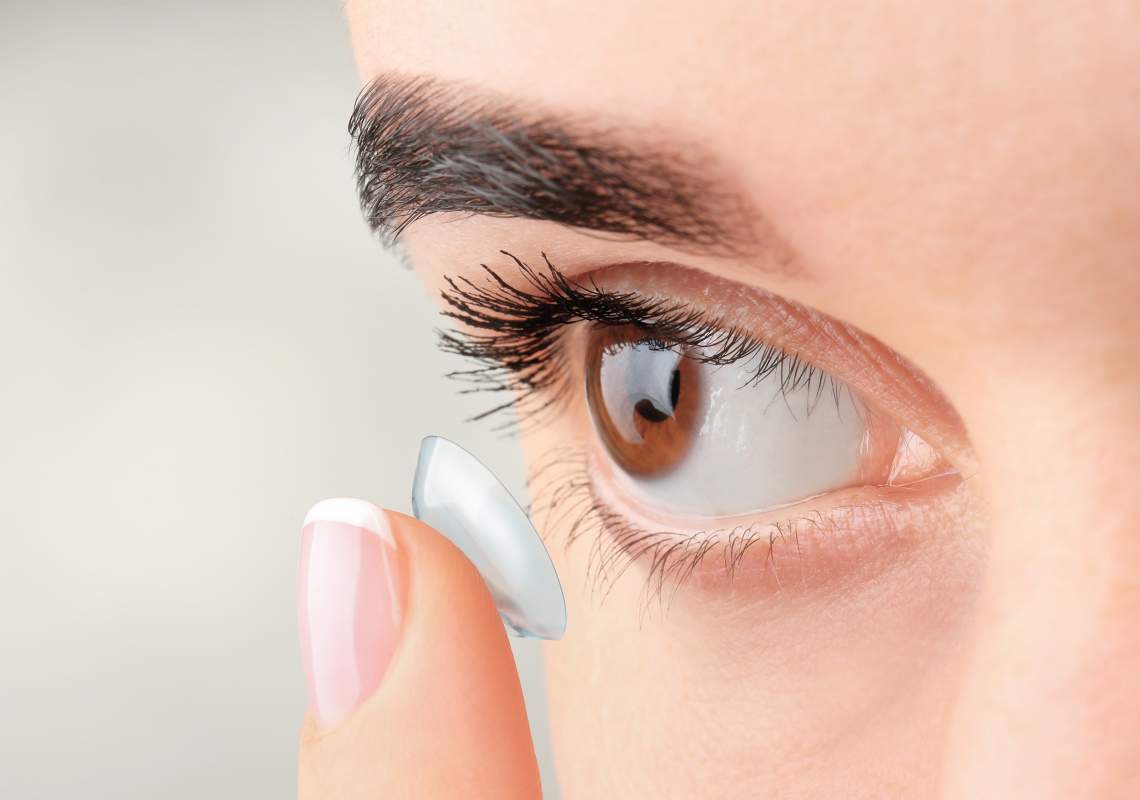
A clean applicator does not make an old or contaminated product safe. Mascara wands and liquid eyeliner applicators repeatedly contact the lashes and surrounding skin, allowing microorganisms to build up.
Can makeup remover be used while wearing contacts?
It is safer to remove contact lenses before using makeup remover. Cleansing oils, micellar products, waterproof makeup removers, and other solvents may leave residue on the lens or cause stinging if they enter the eye.
If makeup remover gets into the eye while lenses are in place, remove the lenses promptly if possible. Do not continue wearing a lens that feels coated, cloudy, or uncomfortable. Follow the replacement or cleaning instructions for that lens type instead of rinsing it with tap water.
Tap water should not be used to rinse, store, or moisten contact lenses. Water can carry microorganisms that may cause serious eye infections.
What should be done if makeup gets under a contact lens?
Do not rub the eye. Rubbing can move particles across the cornea and may scratch the surface.
Remove the lens after washing and drying the hands. If the eye still feels gritty, painful, light-sensitive, or unusually watery, leave the lens out and use glasses. A lens should not be put back in simply because the discomfort temporarily improves.
Seek prompt eye-care advice for worsening pain, marked redness, discharge, sudden blurry vision, light sensitivity, or symptoms that continue after the lens is removed. Contact lens-related infections can progress quickly, and delaying care can threaten vision.
Are colored or decorative contact lenses safe with makeup?
Colored lenses are not automatically safer than clear lenses. Decorative lenses still require proper fitting, handling, cleaning, and replacement. Lenses obtained without a valid prescription or from an unverified source may fit poorly, restrict oxygen, scratch the eye, or introduce harmful contamination.
Makeup can also make it harder to notice early symptoms from an improperly fitted decorative lens. Redness, discomfort, or blurry vision should not be treated as a normal adjustment period.
What habits are especially useful in Alhambra?
In Alhambra, daily routines may include commuting, outdoor activity, indoor cooling, and exposure to dust or air pollution. These conditions can worsen dryness or cause particles to collect around the eyes. Carrying glasses as a backup is useful when eyes become irritated during the day.
Avoid sleeping in lenses unless specifically directed for that lens type, and never extend the wearing schedule to keep makeup looking fresh overnight. Remove lenses before sleeping, showering, or swimming unless an eye-care professional has given specific instructions otherwise.
The safest approach is simple: clean hands, lenses inserted before makeup, lenses removed before makeup removal, no tap water, and no ignoring symptoms. If eyes become red, painful, unusually sensitive to light, or vision changes, stop wearing the lenses and obtain timely medical guidance.